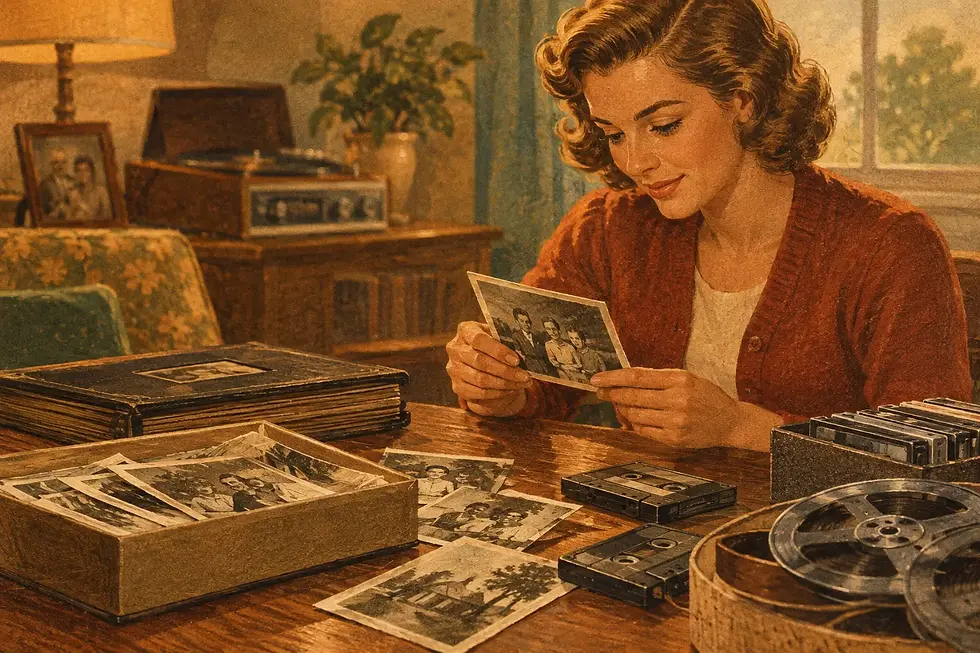
Why Legacy Preservation Matters for Every Family

In an age where everything seems fleeting, the concept of legacy preservation has gained significant importance. Families today are more aware than ever of the need to document their histories, values, and traditions. But why does this matter? What are the benefits of preserving your family's legacy? This blog post will explore the significance of legacy preservation and provide practical steps for families to ensure their stories endure for generations to come.

Understanding Legacy Preservation
Legacy preservation refers to the act of documenting and maintaining the stories, values, and traditions of a family. This can include anything from written records and photographs to heirlooms and oral histories. The goal is to create a tangible connection to the past that can be passed down to future generations.
The Importance of Legacy Preservation
Cultural Identity
Preserving your family's legacy helps maintain a sense of cultural identity. It allows family members to understand their roots and the traditions that have shaped their lives. This understanding fosters pride and belonging.
Connection Across Generations
A well-preserved legacy creates a bridge between generations. It allows younger family members to connect with their ancestors, understand their struggles, and appreciate their achievements. This connection can be a source of strength and inspiration.
Lessons Learned
Every family has its share of triumphs and challenges. Documenting these experiences provides valuable lessons for future generations. By sharing stories of resilience, families can instill important values such as perseverance, empathy, and integrity.
Creating a Family Narrative
A family's narrative is a powerful tool for shaping identity. By preserving stories, families can create a cohesive narrative that reflects their values and beliefs. This narrative can serve as a guiding principle for future generations.
Emotional Healing
Engaging in legacy preservation can also be a therapeutic process. It allows families to reflect on their history, acknowledge past traumas, and celebrate victories. This emotional connection can foster healing and unity within the family.
Practical Steps for Legacy Preservation
Now that we understand the importance of legacy preservation, let's explore practical steps families can take to ensure their stories are documented and cherished.
Start with Family Interviews
One of the most effective ways to preserve your family's legacy is through oral histories. Conducting interviews with older family members can provide invaluable insights into your family's past. Here are some tips for conducting successful interviews:
Prepare Questions: Create a list of open-ended questions that encourage storytelling. For example, ask about significant life events, family traditions, and personal values.
Record the Interviews: Use audio or video recording devices to capture the conversations. This ensures that the stories are preserved in the speaker's own voice.
Create a Comfortable Environment: Choose a quiet, comfortable space for the interview. This will help the interviewee feel at ease and encourage them to share more freely.
Document Family Stories
In addition to oral histories, families should consider documenting their stories in written form. This can be done through:
Family Journals: Encourage family members to contribute to a shared journal where they can write about their experiences, thoughts, and feelings.
Memoirs: Consider writing a memoir that chronicles your family's history. This can be a collaborative effort, with different family members contributing their perspectives.
Digital Archives: Utilize technology to create a digital archive of family stories, photographs, and documents. This can be easily shared with family members and preserved for future generations.
Preserve Family Heirlooms
Family heirlooms hold significant sentimental value and can serve as tangible connections to the past. Here are some ways to preserve these items:
Proper Storage: Ensure that heirlooms are stored in a safe environment. Use acid-free materials for storage and avoid exposure to direct sunlight or humidity.
Document Their Stories: Create a record of each heirloom, including its history, significance, and any associated stories. This documentation can accompany the item when passed down.
Share Their Importance: Make sure younger family members understand the significance of these heirlooms. Share the stories behind them to instill a sense of appreciation.
Create a Family Tree
A family tree is a visual representation of your family's lineage and can be a powerful tool for legacy preservation. Here’s how to create one:
Gather Information: Start by collecting information from family members about their ancestors, including names, dates, and relationships.
Use Online Tools: There are many online platforms available that can help you create a family tree. These tools often provide templates and resources to make the process easier.
Share with Family: Once completed, share the family tree with relatives. This can spark conversations and encourage others to contribute additional information.
Celebrate Family Traditions
Family traditions are an essential part of your legacy. They create shared experiences and strengthen bonds. Here are some ways to celebrate and preserve these traditions:
Annual Gatherings: Organize family reunions or gatherings to celebrate traditions. This can be a time to share stories, enjoy family recipes, and create new memories.
Document Recipes: If your family has special recipes, consider creating a family cookbook. Include stories about the dishes and their significance to your family.
Create Rituals: Establish new traditions that can be passed down. This could be a special holiday celebration, a yearly trip, or a unique family activity.
The Role of Technology in Legacy Preservation
In today's digital age, technology plays a crucial role in legacy preservation. Here are some ways to leverage technology:
Digital Storytelling: Use platforms like blogs or social media to share family stories and experiences. This can engage younger family members and encourage them to contribute.
Online Family Trees: Websites like Ancestry.com or MyHeritage allow families to create and share family trees online. This can facilitate collaboration and research among relatives.
Cloud Storage: Utilize cloud storage services to back up important documents, photos, and recordings. This ensures that your family's legacy is safe and accessible.
Overcoming Challenges in Legacy Preservation
While the importance of legacy preservation is clear, families may face challenges in the process. Here are some common obstacles and how to overcome them:
Lack of Time
Many families lead busy lives, making it difficult to dedicate time to legacy preservation. To address this:
Set Small Goals: Break down the process into manageable tasks. For example, aim to conduct one interview per month or document one family story each week.
Involve Everyone: Encourage all family members to participate. This not only lightens the load but also fosters a sense of shared responsibility.
Resistance from Family Members
Some family members may be hesitant to engage in legacy preservation. To encourage participation:
Communicate the Benefits: Share the importance of preserving family history and how it can strengthen bonds and provide valuable lessons.
Make It Fun: Turn the process into a family activity. Organize storytelling nights or create a family scrapbook together.
Emotional Challenges
Reflecting on family history can sometimes bring up difficult emotions. To navigate this:
Approach with Sensitivity: Be mindful of sensitive topics and allow family members to share at their own pace.
Seek Support: If necessary, consider involving a neutral third party, such as a family therapist, to facilitate discussions.
Leaving a Lasting Legacy
Legacy preservation is not just about documenting the past; it is about creating a lasting impact for future generations. By actively engaging in this process, families can ensure that their stories, values, and traditions endure.
The Takeaway
Every family has a unique story worth preserving. By taking the time to document your history, you create a rich tapestry of experiences that can inspire and guide future generations. Start today by conducting interviews, documenting stories, and celebrating traditions. Your family's legacy is a treasure that deserves to be cherished and shared.
As you embark on this journey of legacy preservation, remember that it is not just about the past; it is about building a foundation for the future. Embrace the process, involve your family, and create a legacy that will resonate for years to come.