Transcribing Your Family's Oral History for Future Generations
- Ken Hood
- 4 days ago
- 4 min read

Oral history is a treasure trove of personal stories, experiences, and wisdom passed down through generations. It connects us to our roots, providing insights into our family's past that can often be lost in the shuffle of modern life. Transcribing these stories not only preserves them for future generations but also enriches our understanding of who we are. In this blog post, we will explore the importance of transcribing your family's oral history, practical steps to do so, and tips for making the process engaging and meaningful.

Why Transcribe Oral History?
Preserving Family Legacy
Transcribing oral history is essential for preserving your family's legacy. Stories shared by grandparents, parents, or even distant relatives can provide context to your family's identity. These narratives often include significant events, cultural traditions, and personal anecdotes that shape who you are. By documenting these stories, you create a lasting record that can be cherished by future generations.
Enhancing Family Connections
Listening to family stories can strengthen bonds among relatives. When you transcribe these narratives, you create a shared resource that family members can revisit. This can spark conversations, encourage storytelling, and foster a sense of belonging. It allows younger generations to connect with their ancestors in a meaningful way, bridging the gap between past and present.
Understanding Historical Context
Family stories often reflect broader historical events and cultural shifts. By transcribing these narratives, you gain insights into how your family navigated challenges and celebrated triumphs. This understanding can provide a richer perspective on history, making it more relatable and personal.
Getting Started with Transcription
Gather Your Materials
Before you begin transcribing, gather the necessary materials. You will need:
Recording device: A smartphone, digital recorder, or computer with recording software.
Notebook and pen: For jotting down notes or important points during interviews.
Transcription software: Optional, but tools like Otter.ai or Google Docs can help streamline the process.
Choose Your Interviewees
Decide who you want to interview. Consider family members who have rich stories to share, such as grandparents or great-aunts and uncles. Make a list of potential interviewees and prioritize those who are willing and able to share their experiences.
Prepare Your Questions
Craft a list of open-ended questions to guide your interviews. Here are some examples:
What is your earliest memory?
Can you share a story about a significant event in your life?
How did you meet your spouse?
What traditions did your family have when you were growing up?
These questions encourage detailed responses and help interviewees feel comfortable sharing their stories.
Conducting the Interview
Create a Comfortable Environment
Choose a quiet, comfortable space for the interview. This could be a cozy living room or a favorite café. Ensure that your interviewee feels at ease, as this will encourage them to open up and share more.
Record the Conversation
With permission, record the interview using your chosen device. This allows you to focus on the conversation rather than taking extensive notes. Make sure to test the recording equipment beforehand to avoid technical issues.
Be an Active Listener
During the interview, practice active listening. Show genuine interest in the stories being shared, and ask follow-up questions to delve deeper into specific anecdotes. This not only enriches the conversation but also makes the interviewee feel valued.
Transcribing the Stories
Choose Your Method
Once the interview is complete, it's time to transcribe the recordings. You can choose to do this manually or use transcription software. If you opt for manual transcription, listen to the recording in short segments, pausing frequently to write down what is said.
Format the Transcription
When transcribing, maintain a clear format. Use paragraphs to separate different stories or topics, and include speaker labels if there are multiple voices. This makes it easier to read and understand later.
Edit for Clarity
After transcribing, review the text for clarity. You may need to edit for grammar or punctuation, but try to preserve the original voice and tone of the interviewee. This authenticity is what makes oral history so valuable.
Making It Engaging
Add Contextual Information
To enhance the transcription, consider adding contextual information. This could include historical events that coincide with the stories, family photos, or relevant documents. This additional context enriches the narrative and provides a fuller picture of your family's history.
Create a Family History Book
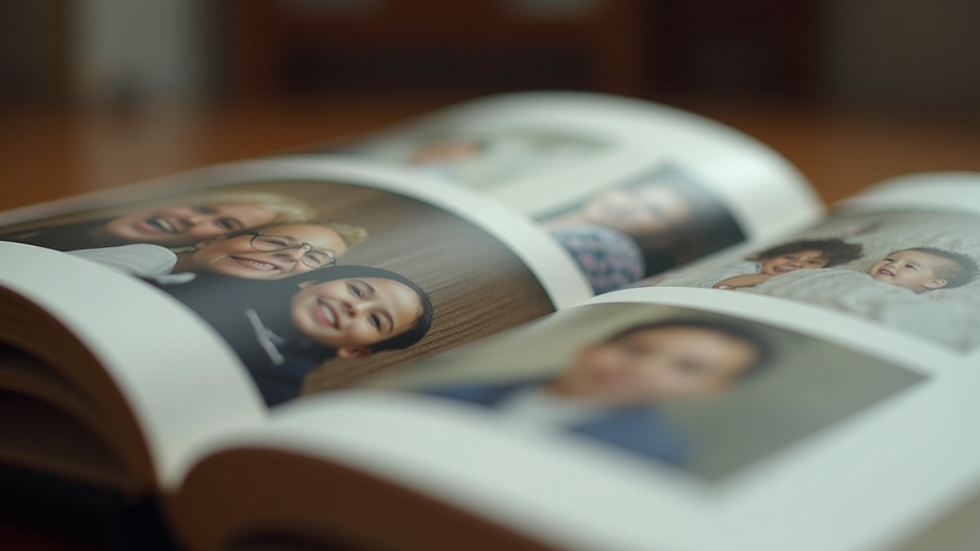
Once you have several transcriptions, consider compiling them into a family history book. This can be a simple printed booklet or a more elaborate photo book. Include images, anecdotes, and even family trees to create a comprehensive resource for future generations.
Share with Family Members
Share the transcribed stories with family members. You can organize a family gathering to present the stories or create a digital archive that everyone can access. This not only preserves the history but also encourages family members to contribute their own stories.
Tips for Successful Transcription
Be Patient
Transcribing oral history can be time-consuming, especially if you have multiple interviews. Be patient with yourself and allow the process to unfold naturally. It’s important to take breaks and not rush through the transcription.
Stay Organized
Keep all your materials organized. Create folders for each interview, including audio files, notes, and transcriptions. This will make it easier to find specific stories later on.
Respect Privacy
Be mindful of the privacy of your interviewees. If they share sensitive information, consider whether it should be included in the final transcription. Always ask for permission before sharing stories publicly.
Conclusion
Transcribing your family's oral history is a rewarding endeavor that preserves valuable stories for future generations. By taking the time to document these narratives, you create a lasting legacy that enriches your family's identity and fosters connections across generations. Start today by gathering your materials, reaching out to family members, and capturing the stories that define your family's history. Remember, every story matters, and your efforts will ensure that these voices are heard and remembered for years to come.

Comments